Perimenopause vs. Menopause: Understanding the Changes in Your Body and Finding Relief
Nov 22, 2026
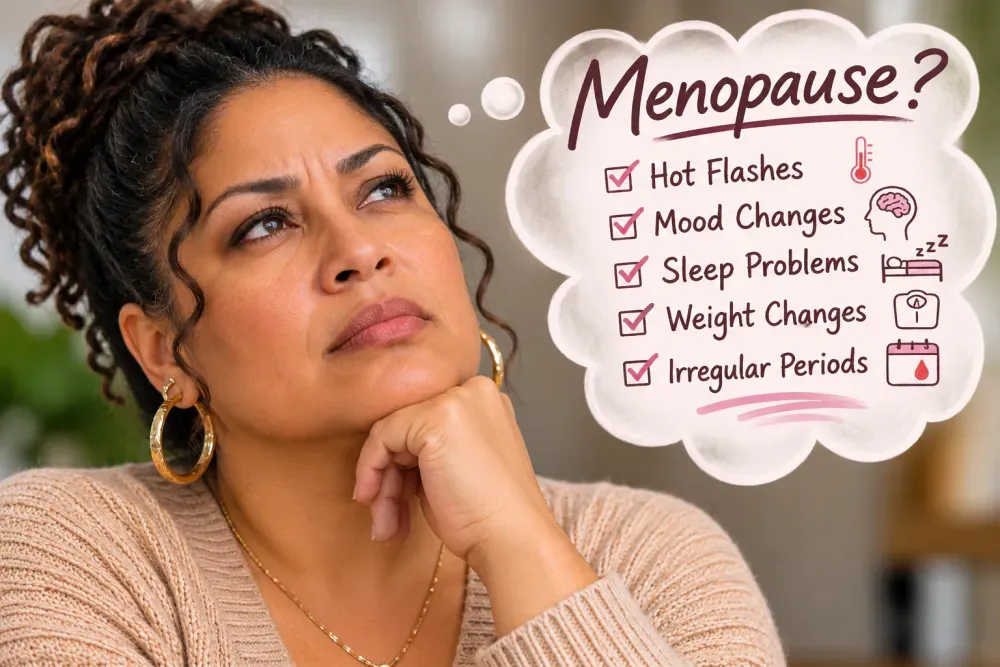
Hot Flashes, Mood Swings, Weight Gain, and Sleepless Nights? Your Hormones May Be Trying to Tell You Something!
By Payne Advanced Family Care
For many women, the transition into menopause can feel confusing, frustrating, and sometimes overwhelming. One day, you're feeling like yourself, and the next, you're experiencing hot flashes, unexpected weight gain, mood changes, or difficulty sleeping.
But here's something every woman should know: Perimenopause and menopause are not the same thing, and you don't have to suffer through either one without help.
Understanding what's happening inside your body is the first step toward feeling better.
Perimenopause means "around menopause." It is the transitional period when a woman's ovaries begin producing estrogen and progesterone less consistently.
Perimenopause commonly begins in a woman's 40s, although some women notice changes in their late 30s.
During this time, hormone levels fluctuate, causing menstrual cycles to become irregular and triggering physical and emotional symptoms.
One important fact: You can still get pregnant during perimenopause!
Even if your periods are irregular or you've skipped several months, ovulation can still occur. Women who do not wish to become pregnant should continue using contraception until menopause is confirmed or their healthcare provider advises otherwise.
Perimenopause may last several years before menopause officially begins.
Menopause marks the end of a woman's reproductive years. It is officially diagnosed after 12 consecutive months without a menstrual period, when there is no other medical explanation.
The average age of natural menopause in the United States is approximately 51.
Unlike perimenopause, when hormones fluctuate unpredictably, menopause occurs when ovarian estrogen production has declined substantially and menstrual periods have stopped.
After menopause, women enter a stage called postmenopause.
Although some symptoms improve over time, lower estrogen levels can contribute to vaginal dryness, urinary symptoms, bone loss, and changes in cardiovascular health.
Every woman's experience is different. Some experience mild symptoms, while others have symptoms that significantly interfere with work, relationships, sleep, and everyday life.
Common symptoms include:
Hot flashes and night sweats: Sudden feelings of intense heat, sweating, and flushing
Irregular menstrual periods: Shorter, longer, heavier, lighter, or skipped cycles during perimenopause
Weight changes: Increased abdominal fat and changes in body composition
Mood changes: Irritability, anxiety, sadness, or increased emotional sensitivity
Sleep disturbances: Difficulty falling asleep, staying asleep, or waking frequently
Brain fog: Forgetfulness, difficulty concentrating, or feeling mentally sluggish
Vaginal dryness: Discomfort, irritation, or pain during intercourse
Decreased sexual desire: Changes in libido or sexual satisfaction
Joint and muscle discomfort: Increased stiffness or aches
Heart palpitations: Awareness of a racing or pounding heartbeat
These symptoms may be related to hormonal changes, but other conditions, including thyroid disorders, anemia, and sleep disorders, can produce similar symptoms.
Not every woman needs or wants hormone replacement therapy. Fortunately, several lifestyle approaches can help improve overall health and manage certain symptoms.
A balanced diet can support your body during hormonal changes.
Focus on leafy green vegetables, fruits, whole grains, beans, nuts, lean proteins, and healthy fats.
Calcium-rich foods and adequate vitamin D are especially important for maintaining bone health.
Soy foods such as tofu, edamame, and soy milk contain plant compounds called isoflavones. Some studies suggest they may modestly improve hot flashes, although results are inconsistent.
Regular exercise can help manage weight, improve mood, strengthen bones, and promote better sleep.
Walking, swimming, cycling, dancing, and strength training are excellent options.
Strength training is particularly beneficial because women naturally lose muscle mass as they age.
Some women notice that hot flashes worsen after consuming caffeine, alcohol, spicy foods, or hot beverages.
Keeping a symptom diary can help identify personal triggers.
Wearing lightweight clothing, using a fan, and keeping your bedroom cool may improve comfort.
Poor sleep can make menopausal symptoms feel worse.
Maintain a consistent sleep schedule, reduce late-evening caffeine, and create a cool, comfortable sleeping environment.
Meditation, deep breathing, yoga, and relaxation exercises can help with stress. Cognitive behavioral therapy specifically designed for menopause can also reduce the distress associated with hot flashes and improve sleep.
Black cohosh, evening primrose oil, red clover, and other herbal products are frequently marketed for menopause relief.
However, scientific evidence supporting their effectiveness is limited or inconsistent. Some supplements can interact with medications, and black cohosh products have been associated with rare reports of liver injury.
Natural does not always mean safe. Speak with your healthcare provider before starting supplements, especially if you have liver disease, a history of hormone-sensitive cancer, or take prescription medications.
Hormone replacement therapy, also called menopausal hormone therapy, is one of the most effective treatments available for bothersome hot flashes and night sweats.
HRT works by replacing some of the estrogen that declines during menopause.
Treatment may include:
Estrogen therapy: Available as pills, patches, gels, or sprays. Systemic estrogen is effective for hot flashes and night sweats and helps prevent bone loss.
Estrogen plus progesterone or a progestogen: Women who still have a uterus generally need a progestogen along with systemic estrogen to protect the uterine lining from developing precancerous changes or cancer.
Vaginal estrogen: Available as creams, tablets, inserts, or rings. Low-dose vaginal estrogen can help treat vaginal dryness, painful intercourse, and certain urinary symptoms, with much less systemic absorption than traditional HRT.
For many healthy women who are younger than 60 or within 10 years of menopause onset, the benefits of hormone therapy may outweigh the risks when treatment is appropriately selected.
However, HRT is not suitable for everyone.
Women with a history of breast cancer, unexplained vaginal bleeding, blood clots, stroke, certain cardiovascular conditions, or significant liver disease may need to avoid systemic hormone therapy or undergo specialist evaluation.
Hormone therapy should be individualized based on medical history, symptoms, personal preferences, and risk factors.
Transdermal estrogen, such as a patch, may have a lower risk of blood clots than oral estrogen, although individual risks still require assessment.
HRT is not birth control. Women who are still able to become pregnant may need contraception even while receiving treatment for perimenopausal symptoms.
There are effective nonhormonal prescription treatments available.
Certain antidepressants, including low-dose paroxetine and some other SSRIs or SNRIs, may reduce hot flashes.
Gabapentin can be helpful for some women, particularly when nighttime symptoms are troublesome.
Fezolinetant (Veozah) is a nonhormonal medication specifically developed to treat moderate to severe hot flashes. It requires liver testing and monitoring because of the risk of serious liver injury.
Your healthcare provider can help determine which treatment is appropriate for your symptoms and medical history.
You should schedule an appointment if symptoms are interfering with your sleep, relationships, work, or quality of life.
Seek medical evaluation for unusually heavy bleeding, bleeding between periods, or bleeding after intercourse.
Any vaginal bleeding after menopause—once you've gone 12 consecutive months without a period—needs medical evaluation. It should never automatically be dismissed as a normal hormonal change.
Routine hormone blood tests are not always necessary to diagnose perimenopause in women over 45. Your provider can often make the diagnosis based on your age, symptoms, and menstrual history.
Perimenopause and menopause are natural stages of life, but that doesn't mean you have to accept uncomfortable symptoms as something you simply must endure.
Whether you're interested in lifestyle changes, natural approaches, nonhormonal medications, or hormone replacement therapy, there are options to help you feel more comfortable and confident.
At Payne Advanced Family Care, we believe women deserve to be heard, understood, and supported through every stage of life.
Our goal is to help you understand your symptoms, explore your treatment options, and develop a personalized care plan that fits your needs.
Don't let hormonal changes control your life. Schedule an appointment with Payne Advanced Family Care today and take the first step toward feeling like yourself again.
Perimenopause is the transitional stage before menopause, when hormone levels fluctuate and menstrual periods become irregular. Menopause is reached after 12 consecutive months without menstruation.
Both stages may cause hot flashes, night sweats, sleep disturbances, mood changes, vaginal dryness, and weight changes.
Lifestyle measures such as regular exercise, balanced nutrition, stress management, and improved sleep habits can support overall health. Hormone replacement therapy is highly effective for many women with bothersome symptoms, while nonhormonal prescription medications provide alternatives for those who cannot or prefer not to use hormones.
The most important message is that menopause is a natural transition, but suffering through its symptoms is not a requirement. Personalized medical care can make a meaningful difference.
The article is supported by guidance from:
This article is written in a patient-friendly style suitable for the Payne Advanced Family Care website, patient education, or a women's health newsletter.